Website, tourism portal, multilingual
Senta’s tourism offer was spread far and wide: dozens of places to stay, festivals all year round, food and drink, and international projects. We built one multilingual place where visitors find everything they need for their trip.
100+
content pages
30+
places to stay
EU
projects and research
Project background
For a small town, Senta has a lot to offer: historical heritage, the Tisza river, festivals, food and accommodation ranging from hotels to rural tourism. But visitors had to piece that information together from different websites and social media profiles, often in a language they didn’t understand.
The tourist organisation also takes part in international projects, which need space for newsletters, results and research. What was needed was one place that serves both visitors and project partners.
The challenge
The solution
We built a tourism portal with a directory of accommodation and places to eat, pages for festivals and events, sights, and a separate section for EU projects and research, all with multilingual content.
In detail
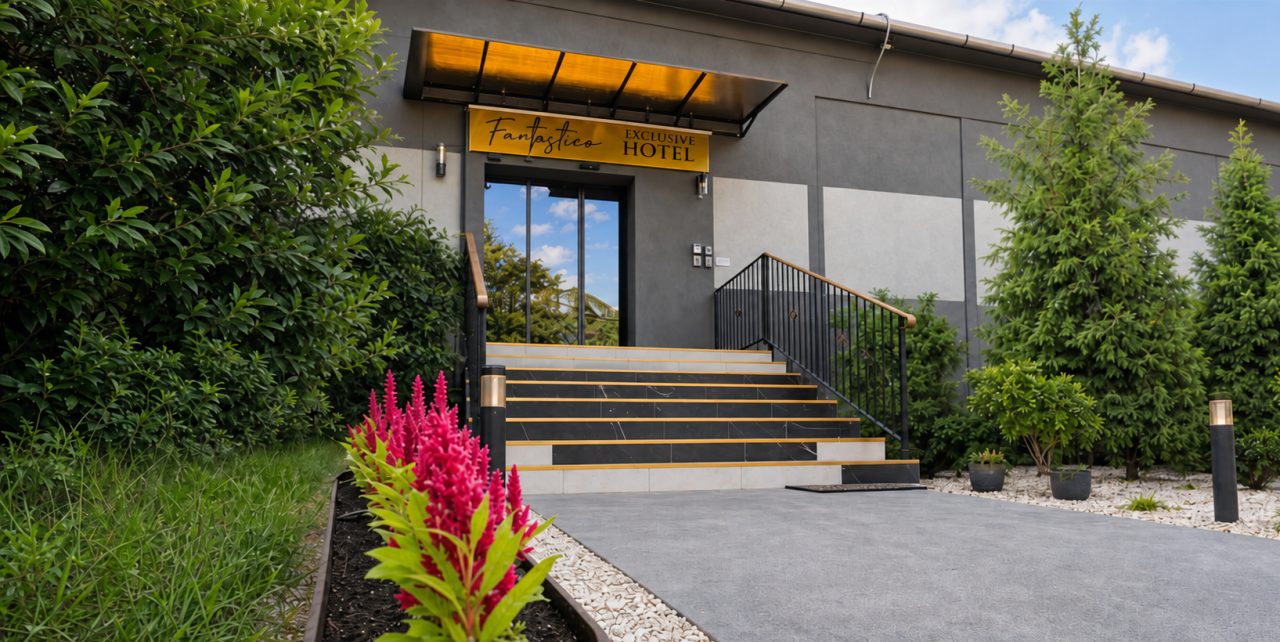
More than 30 places to stay, from hotels and guest houses to apartments and rural tourism. Each one has its own page, so it shows up in search both by name and by type of accommodation.
Restaurants, cafés and patisseries with their own pages, because “where to eat in Senta” is one of the first things visitors ask.
A calendar of festivals and events all year round, plus sights and lesser-known spots, with practical information for getting there.
A separate section for international projects (Cultural Connections, URBACT), research and project newsletters, kept apart from the tourism content so it doesn’t confuse visitors.
The content is available in several languages, which is essential in a border region with both domestic and foreign visitors.
Process
SEO · AEO · GEO
A tourism portal with a page for every venue and event is a source AI tools draw on when someone asks “what to see in Senta” or “where to stay in Senta”, in Serbian, Hungarian or English. The more specific the information (address, type of accommodation, event date), the more accurate the AI tool’s answer.
For Google, a clear structure matters: accommodation category, then venue; calendar, then event. That hierarchy helps both classic SEO and direct answers.
Where it stands today
What the portal holds today:
We don’t publish visitor figures without the client’s consent.
Lessons
Who this approach is for
A central tourism portal is needed by any place that has plenty to offer but has it scattered across profiles and websites. Visitors who find accommodation, food and events in one place stay longer and come back.
Technology
Related services
FAQ
Accommodation, food and drink, festivals and events, sights and a section for EU projects, across more than 100 content pages.
The portal has multilingual content for domestic and foreign visitors.
So that it appears in search both by name and by type of accommodation, and AI tools get accurate information.
Yes. Visit Senta is an example of a tourism portal with a directory, a calendar and a projects section.
Through WordPress, as new pages in the events calendar, with no technical help needed.
Key lessons
Visit Senta shows how a town’s scattered tourism offer can be turned into one place that visitors actually use. Accommodation, events, food and history used to be spread across different profiles. Now Visit Senta brings them together, in several languages.
Any municipality or tourist organisation can have a portal like this. Have a look at marketing for hotels and tourism and website development; how Google treats multilingual sites is explained in its guide to multilingual and multi-regional sites.
Enquiry
We reply within one working day.
+381 69 740 754
office@plusnet.rs
Mon – Fri, 8:00 – 16:00 (CET)