Short answer: To take card payments, an online shop in Serbia needs a contract with a bank or payment processor, a payment module with 3-D Secure, and the pages the bank asks for: terms of sale, privacy policy, delivery, returns and company details. Fiscal receipts are issued through the electronic fiscalisation system, and more and more shops also add IPS payment by QR code. Always agree the fiscalisation details with your accountant.
Building an online shop is not just design and uploading products. In Serbia there are several legal and technical steps that decide whether the shop can open at all and whether customers trust it enough to pay. This guide is useful both for local businesses and for foreign companies planning to sell to Serbian customers, and it is the checklist we go through with every client when we build an online shop.
Payment methods Serbian customers expect
| Method | Advantages | What to watch out for |
|---|---|---|
| Cash on delivery | Customers trust it, and it is still very widespread | Refused parcels, money arrives late via the courier |
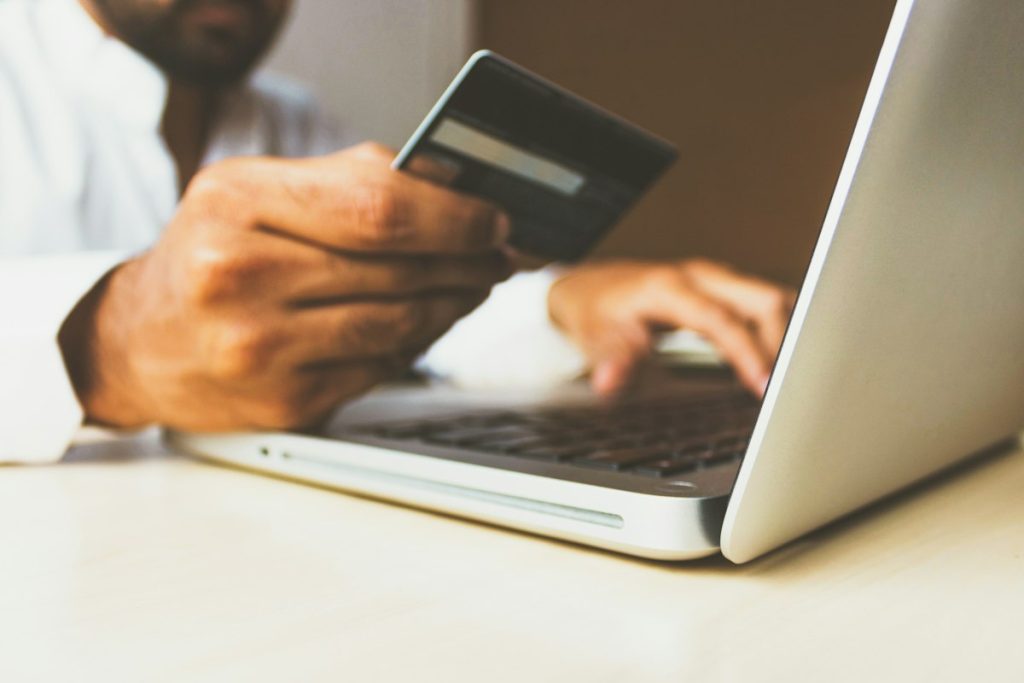
| Payment cards | Fast payment, fewer returned parcels | Bank contract, commission, requirements for the site |
| IPS QR payment | Instant transfer from a bank account, no card needed | Support from your bank or processor, clear instructions for the customer |
| Bank transfer | Suits business customers and larger amounts | Slower, payments checked by hand |
Most successful shops offer at least cash on delivery and cards. Every payment method a customer expects and does not find means an abandoned basket.
Card payments step by step
1. A contract with a bank or processor
Serbian banks offer e-commerce card acceptance, usually through their own or a partner’s payment module. The bank reviews the site before signing. Compare the commission, the settlement time, support for DinaCard (the domestic card scheme), Visa and Mastercard, and whether there is a ready-made plugin for your platform, such as WooCommerce.
2. What the bank expects to see on the site
- Full company details: name, address, tax ID (PIB), company registration number, contact details.
- Terms of sale with clear prices and currency.
- A privacy and data protection policy.
- Delivery terms: timescales, area, method.
- Returns and complaints, including the consumer’s right to withdraw from a distance contract within 14 days.
- Logos of the accepted cards and the 3-D Secure programme marks.
- A currency conversion statement, if prices are also shown in a foreign currency.
- An SSL certificate, meaning the site runs on https.
3. Technical integration and testing
The payment module is connected to the shop, and card details are entered on the bank’s secure page, not on your site. Before going live, run test transactions: a successful payment, a declined card, an interrupted transaction and a refund. After paying, the customer must receive a confirmation with the transaction details.
IPS payment by QR code
IPS is the instant payment system of the National Bank of Serbia. The customer sees a QR code on screen, scans it with their banking app and the money arrives immediately. It is simple for customers and often cheaper than cards for the seller. If your bank or processor offers IPS for online sales, it is worth adding as an extra option.
Fiscalisation
Under Serbia’s Law on Fiscalisation, retail sales, including sales over the internet, are recorded through the electronic fiscalisation system, and a fiscal receipt is issued for each one. In practice the shop is connected to an electronic invoicing system (ESIR), which sends the receipt to the customer electronically or includes it with the parcel. Different rules apply to the type and timing of the receipt for prepayment and for cash on delivery, so agree the process with your accountant before the shop opens.
The best solution is automatic receipts issued by the shop itself, with no orders copied out by hand. On the shops we have built, the fiscal receipt is generated directly by the shop system.
Delivery and couriers
Customers expect the delivery time and cost to be stated clearly before they complete the purchase. The large Serbian couriers, such as D Express, BEX and Post Express, offer integrations for creating shipments and tracking them automatically. A hidden delivery charge that only appears at the end is one of the most common reasons for abandoned baskets.
The most common mistakes
- Launching the shop first and talking to the bank afterwards, only for the bank to ask for changes to the site.
- Terms of sale copied from another site that do not match how you actually work.
- Missing information on returns and complaints.
- Issuing receipts by hand, which causes errors and wastes time as orders grow.
- Never testing a refund before the first real complaint.
Frequently asked questions
How long does it take to set up card payments?
It depends on the bank and on how ready the site is. If all the required pages are in place beforehand, the process is much quicker.
Can I sell with cash on delivery only?
You can, but you will lose some customers who prefer to pay by card, and you will have more returned parcels.
Is a fiscal receipt also issued to business customers?
The rules for selling to businesses differ from selling to consumers, and an invoice is issued as well in those cases. Check this with your accountant.
Conclusion
A shop that has payments, clear terms and automatic fiscalisation sorted from day one saves months of changes later. If you are planning an online shop or want to connect an existing one to cards and IPS, take a look at our online shop development service or get in touch.
Related: Abandoned baskets in online shops · WooCommerce or Shopify